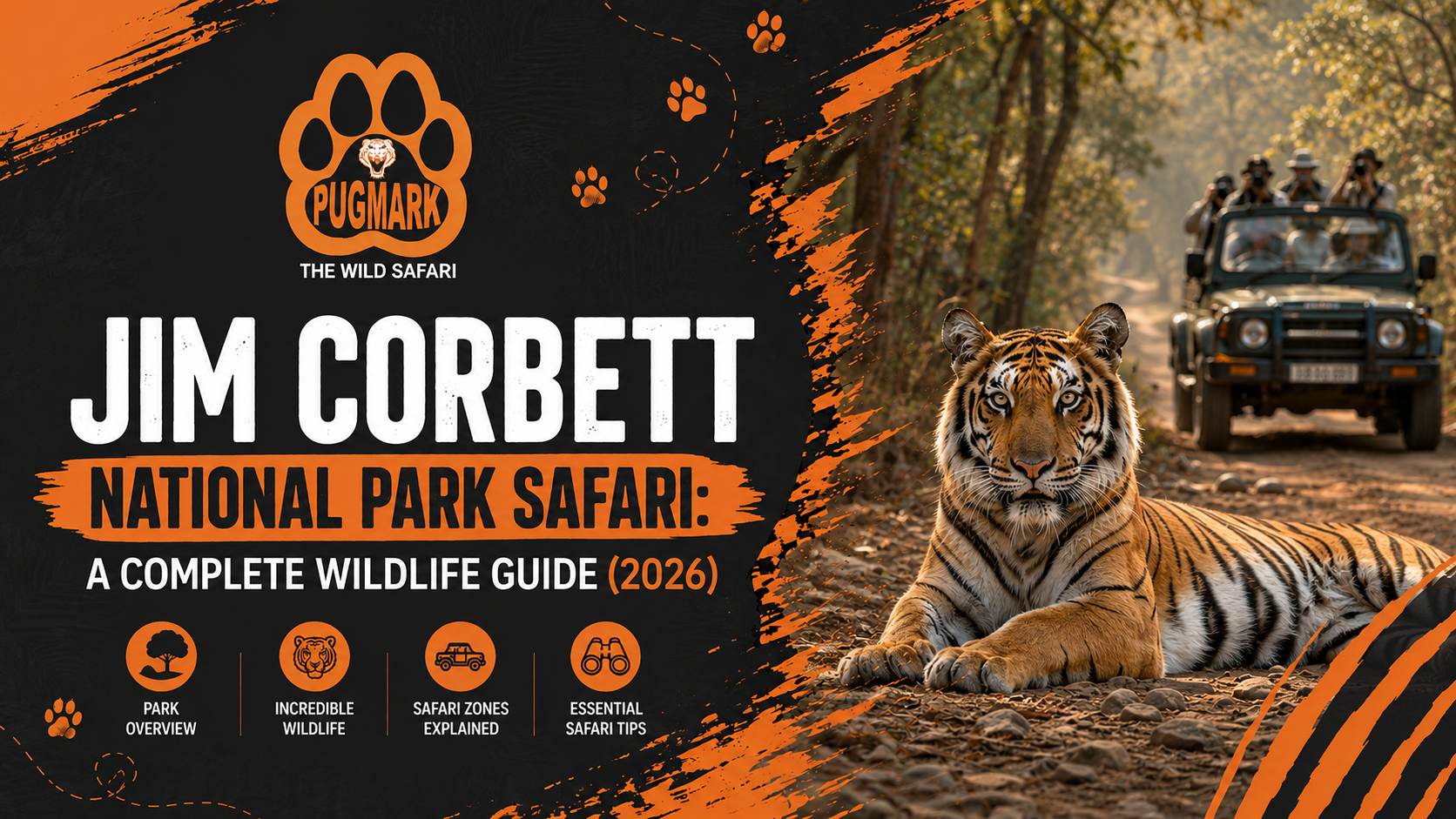
Are you planning a Jim Corbett National Park Safari this year? As India’s oldest and most prestigious national park, Jim Corbett is a legendary destination for wildlife enthusiasts, nature photographers, and thrill-seekers alike. Nestled in the picturesque foothills of the Himalayas in Uttarakhand, it offers a majestic landscape teeming with Bengal tigers, wild elephants, leopards, and over 600 species of birds. In this comprehensive 2026 guide, we will walk you through everything you need to know—from choosing the best safari zones to securing your permits—ensuring your wildlife adventure is nothing short of spectacular.
Table of Contents
The Rich History of Jim Corbett National Park
Established in 1936 as Hailey National Park, this sanctuary holds the proud title of being the very first national park in Asia. It was later renamed in honor of Jim Corbett, the legendary British-Indian hunter-turned-conservationist who played a crucial role in its establishment. Furthermore, it was the first sanctuary to come under the Project Tiger initiative in 1973. The park covers an expansive 520 square kilometers of core area, characterized by dense Sal forests, vast grasslands (chaurs), and the meandering Ramganga River.
If you’ve previously enjoyed a Ranthambore National Park Safari, you will find the terrain of Jim Corbett dramatically different. While Ranthambore is known for its dry deciduous forests and historical ruins, Corbett boasts a lush, sub-Himalayan belt ecosystem that feels profoundly pristine and untamed.
Best Safari Zones for Tiger Sightings
To protect the delicate ecosystem, the park is divided into several distinct ecotourism zones. Understanding these zones is the most critical aspect of planning your Jim Corbett National Park Safari.
1. Dhikala Zone
Dhikala is the largest and most sought-after zone in Corbett. Famous for its sprawling Patli Dun valley and the Ramganga River, it offers the highest probability of spotting Bengal tigers and large herds of Asiatic elephants. Because of its immense popularity, booking a safari or a night stay at the Dhikala Forest Rest House requires planning months in advance.
2. Bijrani Zone
Bijrani is renowned for its diverse vegetation and excellent tiger sightings. The landscape is a beautiful mix of thick Sal forests and open grasslands. It is the preferred choice for daytime Jeep safaris, offering a serene environment and incredible opportunities for wildlife photography.
3. Jhirna Zone
Unlike Dhikala and Bijrani, the Jhirna Zone remains open throughout the year. It is located on the southern edge of the park and is particularly famous for sightings of the elusive sloth bear, along with wild boars, sambar deer, and occasional tigers. If you are visiting during the monsoon season, this is the zone you will explore.
4. Dhela Zone
Dhela is the newest eco-tourism zone added to the Corbett tiger reserve. Sharing boundaries with Jhirna, it is open year-round and is known for its wealthy birdlife and high density of leopards and tigers. The vast grasslands here make spotting wildlife slightly easier.
5. Durga Devi Zone
Located on the north-eastern boundary of the park, Durga Devi is a haven for bird watchers and nature lovers. The hilly terrain, intersected by the Mandal River, is famous for the Mahseer fish and offers a tranquil, deeply immersive jungle experience away from the heavy tourist crowds.
Types of Safaris: Jeep vs. Canter
When booking your Jim Corbett National Park Safari, you will primarily choose between two modes of transport:
Jeep Safari: The 6-seater open-air Maruti Gypsy is the quintessential safari vehicle. It is agile, allowing you to traverse narrow forest trails, and offers a highly personalized experience. Jeep safaris are available in all zones except Dhikala (unless you are staying overnight in the Dhikala forest lodge).
Canter Safari: A Canter is a 16-seater open-roof bus, and it is the only way for day visitors to explore the coveted Dhikala zone. While it is less intimate than a Jeep, the elevated seating position provides excellent visibility over the tall elephant grass.
The Best Time for a Jim Corbett National Park Safari
The timing of your visit drastically affects the type of wildlife you will encounter.
Winter (November to February): The winter months offer pleasant weather and clear skies. The forest is lush and green post-monsoon. This is the absolute best time for bird watching, as migratory birds flock to the park. Tiger sightings are good, as they often come out to bask in the winter sun.
Summer (March to June): Although the heat can be intense, summer is the undisputed best time for tiger sightings on a Jim Corbett National Park Safari. As the smaller water bodies dry up, the animals congregate around the Ramganga River and remaining waterholes, making predators much easier to spot.
Monsoon (July to October): While the core zones (Dhikala, Bijrani) are closed for safety and animal breeding, Jhirna and Dhela remain open. The park is breathtakingly green, making it a beautiful time for trekking and enjoying the lush scenery, even if tiger sightings are rare.
Flora and Fauna: What to Expect
While everyone hopes to spot a tiger, Jim Corbett is an ecosystem of incredible variety. It is one of the few National Parks in India where you can see large herds of wild Asiatic elephants roaming freely across the riverbanks.
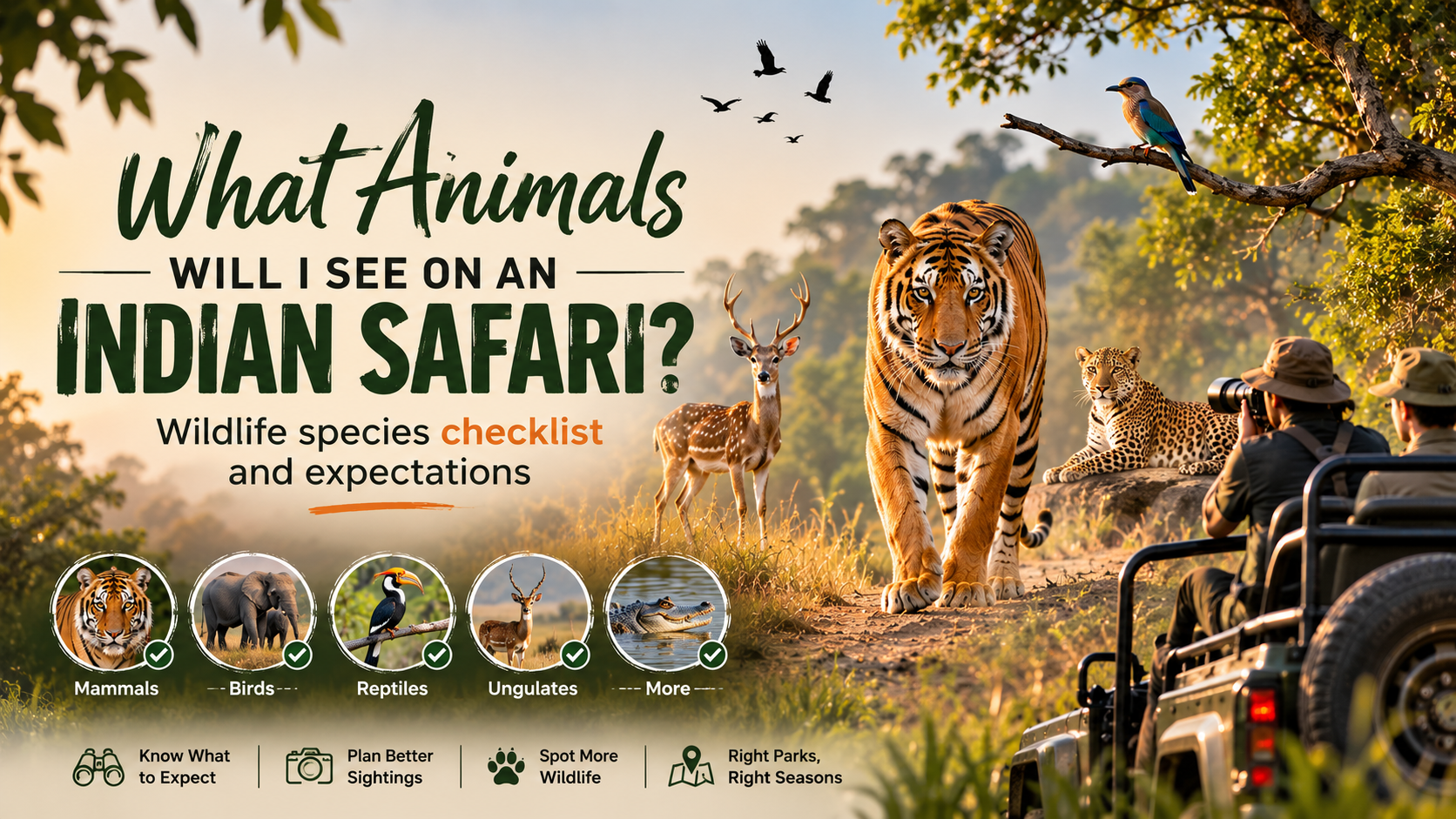
Besides tigers and elephants, the park is home to leopards, jungle cats, fishing cats, Himalayan black bears, sloth bears, and Indian pangolins. You will also see abundant prey species, including barking deer, sambar deer, hog deer, and wild boars. The Ramganga River is teeming with critically endangered Gharials (fish-eating crocodiles) and Mugger crocodiles.
Essential Tips for Your Safari
To ensure a smooth and responsible Jim Corbett National Park Safari, keep these expert tips in mind:
- Book Permits Early: Safari permits are issued online by the forest department and they sell out exactly 45 days in advance. You must secure your permit before booking your flights or hotels.
- Carry Original ID: The ID proof you used to book your permit online (Passport, Aadhar Card, Voter ID) MUST be carried in original during the safari. Forest guards will verify this at the entry gate.
- Dress in Camouflage: Wear dull, earthy colors like green, brown, and khaki. Avoid bright red, yellow, or white clothing that can startle the animals.
- Maintain Silence: The jungle relies on acoustics. Listening to alarm calls from monkeys and deer is the best way your guide will track a tiger. Keep your voices at a whisper.
- Pack Wisely: Bring binoculars, a good camera with a zoom lens, sun hats, and plenty of drinking water in reusable bottles (single-use plastics are banned).
Frequently Asked Questions (FAQs)
1. Which zone is best for a Jim Corbett National Park Safari?
The Dhikala and Bijrani zones are widely considered the best zones for tiger sightings due to their optimal terrain and water sources. However, Jhirna and Dhela also offer excellent wildlife viewing, particularly year-round.
2. How much does a Jim Corbett Safari cost?
The cost varies depending on the vehicle (Jeep vs. Canter) and your nationality. Typically, a Jeep safari for Indian nationals costs between INR 5,000 to 6,000 per jeep (accommodating up to 6 people), while a Canter safari costs around INR 1,600 to 1,800 per seat. Prices for foreign nationals are slightly higher.
3. Is it safe to do a Jim Corbett National Park Safari?
Yes, absolutely. Safaris are highly regulated by the forest department. You are always accompanied by an experienced, government-approved driver and a trained naturalist guide who understands animal behavior and strictly follows safety protocols.
4. Can we book a Jim Corbett Safari offline at the gate?
No, all safari permits for Jim Corbett National Park must be booked online through the official government portal in advance. There are no on-the-spot or offline ticket counters at the park gates.
Ready to Book Your Wildlife Adventure?
Contact our safari experts today to customize your itinerary and book your unforgettable experience!
📞 Call/WhatsApp: +91 74057 45909
✉️ Email: sales@pugmarksafari.com
🌐 Explore Packages: pugmarksafari.com
A Jim Corbett National Park Safari is not just a holiday; it is an immersion into the wild, beating heart of India’s wilderness. With careful planning, respect for nature, and a dash of luck, your journey into the land of the roar will leave you with memories that will last a lifetime.