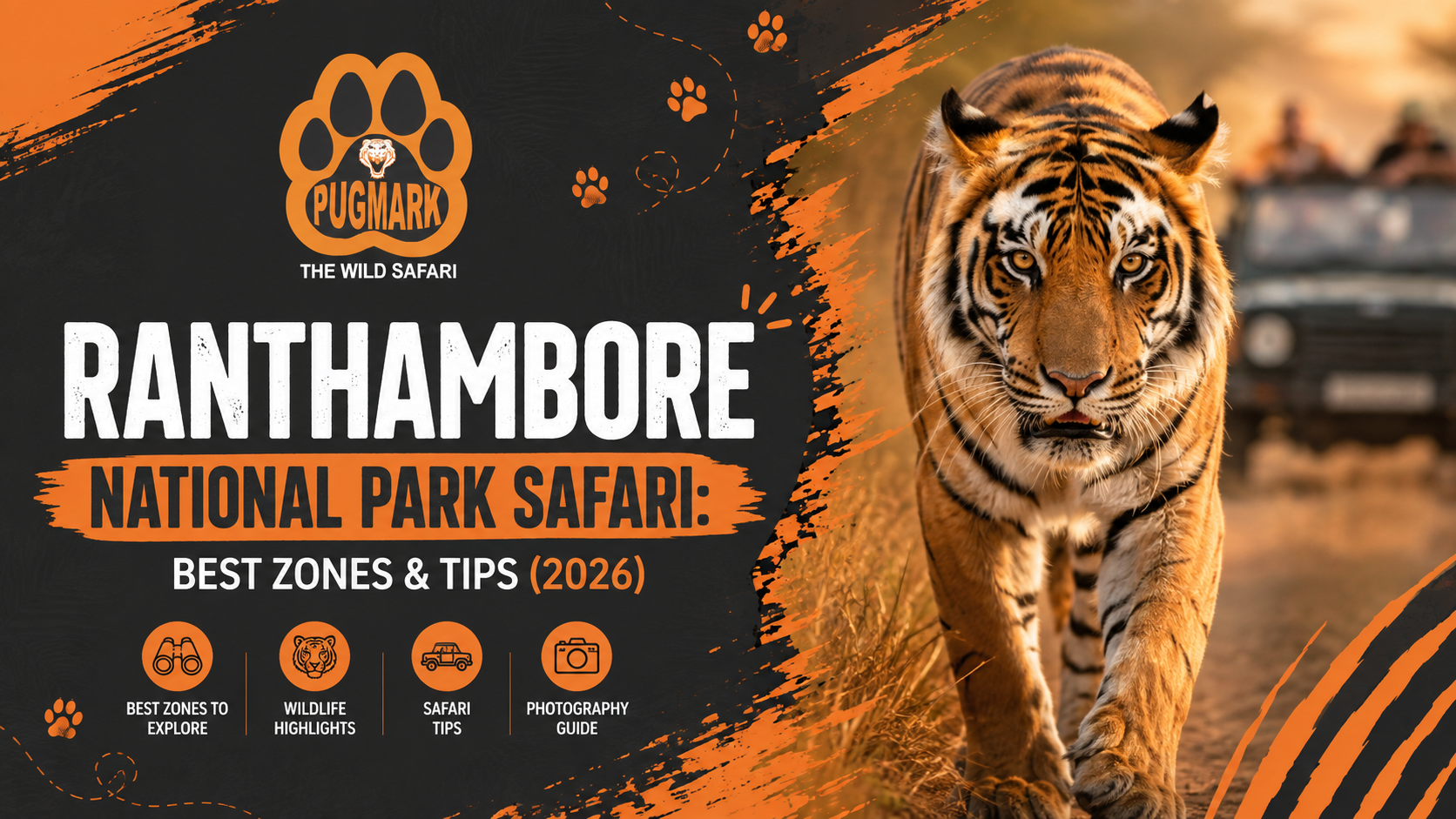
Are you planning a Ranthambore National Park Safari? If you are looking for an extraordinary wildlife adventure in India, you have come to the right place. Ranthambore National Park, located in the Sawai Madhopur district of Rajasthan, is arguably one of the best places in the world to see majestic Bengal tigers in their natural habitat. In this comprehensive 2026 guide, we will explore the best zones for tiger sightings, the ideal time to visit, and essential tips to ensure your Ranthambore National Park Safari is truly unforgettable.
Introduction to Ranthambore National Park Safari
For decades, a Ranthambore National Park Safari has been on the bucket list of wildlife photographers, nature lovers, and adventure seekers. Spanning over 1,334 square kilometers, this magnificent park is characterized by dense dry deciduous forests, open grassy meadows, and ancient ruins. Furthermore, the terrain is beautifully varied, providing the perfect backdrop for spotting the elusive Bengal tiger. When you embark on a Ranthambore National Park Safari, you are not just looking for animals; you are stepping into a living, breathing ecosystem where every rustle in the bushes could signal a royal encounter.
The Rich History of Ranthambore
Before it became a sanctuary for tigers, Ranthambore was the private hunting ground of the Maharajas of Jaipur. The park is named after the historic Ranthambore Fort, a formidable 10th-century fortress that still stands majestically within the park boundaries. Today, it is a UNESCO World Heritage Site. During your Ranthambore National Park Safari, the sight of ruins crumbling gracefully alongside ancient banyan trees creates a uniquely romantic atmosphere. Consequently, the blend of history and wildlife makes Ranthambore completely distinct from other wildlife reserves in India.
Best Zones for Tiger Sighting on Your Ranthambore National Park Safari
To manage tourism and minimize the impact on wildlife, the park is divided into 10 distinct safari zones. Therefore, choosing the right zone is a critical part of planning your Ranthambore National Park Safari. While tigers roam freely across all zones, certain areas historically offer better visibility due to water bodies and open landscapes.
Zones 1 to 5: The Core Area
Zones 1 to 5 are widely considered the premium zones for a Ranthambore National Park Safari. These zones form the core area of the park and contain the most famous lakes.
Zone 1: Known for the Singh Dwar and Tuti Ka Nalla, this zone has dense forest cover. Tiger sightings here are excellent, particularly during the early morning safaris when the big cats are returning from their nightly patrols.
Zone 2: This zone features the Jogi Mahal, the Bada Talaab (Big Lake), and beautiful valleys. Because of the abundant water, it is highly favored by tigers, leopards, and crocodiles. Thus, Zone 2 is frequently recommended by expert naturalists.
Zone 3: Perhaps the most famous zone for a Ranthambore National Park Safari! It encompasses Padam Talao, Rajbagh Talao, and Malik Talao. The backdrop of the Ranthambore Fort makes it a favorite for wildlife photographers. Machali, the legendary “Queen of Ranthambore,” used to rule this very area.
Zone 4: This area is characterized by rocky terrain and dense vegetation. It was the territory of the famous tiger T-24 (Ustad). Sightings are spectacular here, especially near the Malik Talao.
Zone 5: Sharing a boundary with Zone 4, this zone features the Bakola area. It has dense forests and small streams, making it a reliable spot for tracking tigers during the sweltering summer months.
Zones 6 to 10: The Buffer Zones
Although they were added later to accommodate the increasing number of tourists, Zones 6 to 10 should not be underestimated during your Ranthambore National Park Safari. In recent years, tiger sightings in these buffer zones have increased dramatically.
Zone 6 (Kundan ki Darrah): It shares boundaries with Zone 1 and boasts beautiful landscapes. Sloth bears and leopards are frequently spotted here alongside tigers.
Zone 7 & 8: Located in the Chidikho and Balas areas, these zones are steep and rocky. They offer a rugged, off-the-beaten-path Ranthambore National Park Safari experience.
Zone 9 & 10: Situated near the Kuwalji area, on the banks of the Chakal River. These zones are excellent for bird watching and spotting elusive predators like the Indian leopard.
Flora and Fauna Beyond the Bengal Tiger
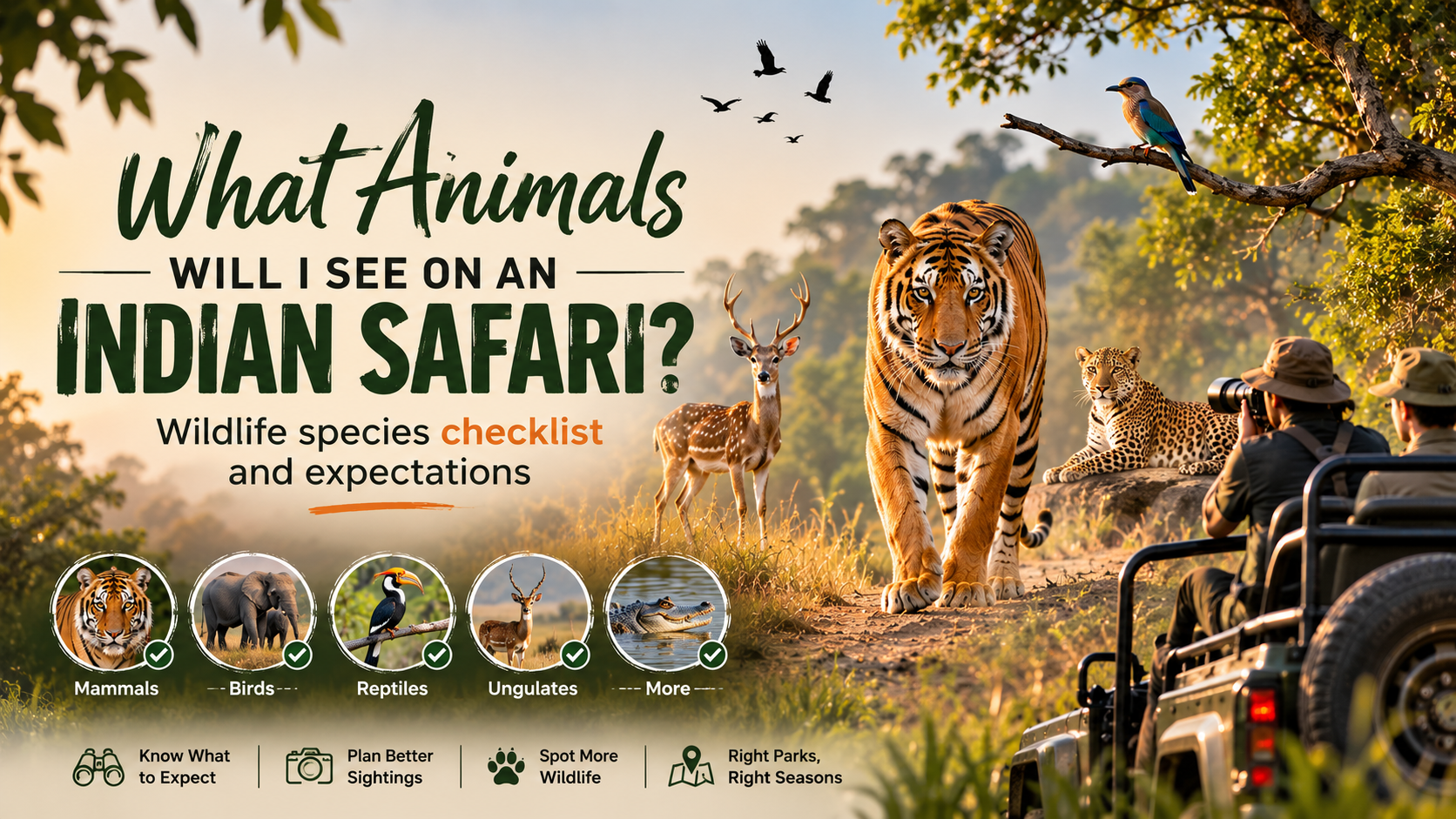
While the Bengal tiger is the undisputed star of a Ranthambore National Park Safari, the park’s biodiversity is astounding. Ranthambore boasts over 40 species of mammals, 320 species of birds, and 40 species of reptiles.
During your excursion, you can expect to see large herds of spotted deer (Chital) and Sambar deer grazing peacefully. Furthermore, if you are lucky, you might encounter a sloth bear foraging for termites, or an Indian leopard resting high in the branches of a Dhok tree. Additionally, the park’s lakes are teeming with Mugger crocodiles, Indian pythons, and soft-shelled turtles.
For bird watchers, a Ranthambore National Park Safari is a true delight. Keep your binoculars ready to spot Indian peafowl, crested serpent eagles, painted storks, and the vibrant Indian roller.
The Best Time for a Ranthambore National Park Safari
Choosing the right season is crucial for a successful Ranthambore National Park Safari. The park is open to visitors from October 1st to June 30th every year. It remains closed during the monsoon season (July to September) for wildlife breeding and regeneration.
Winter (October to March): This is the most pleasant time to enjoy a Ranthambore National Park Safari. The weather is cool, making it comfortable for exploring. The lush green post-monsoon foliage is breathtaking, although it can occasionally obscure tiger sightings. However, this is the best time for bird watching as migratory birds arrive.
Summer (April to June): If your primary goal is to see tigers, summer is undoubtedly the best time for a Ranthambore National Park Safari. As the water bodies inside the forest dry up, animals congregate around the remaining lakes and waterholes. Consequently, tiger sightings are incredibly frequent during these hot months.
Safari Options: Jeep Safari vs. Canter Safari
When booking your Ranthambore National Park Safari, you will have to choose between two types of vehicles: a Gypsy (Jeep) or a Canter.
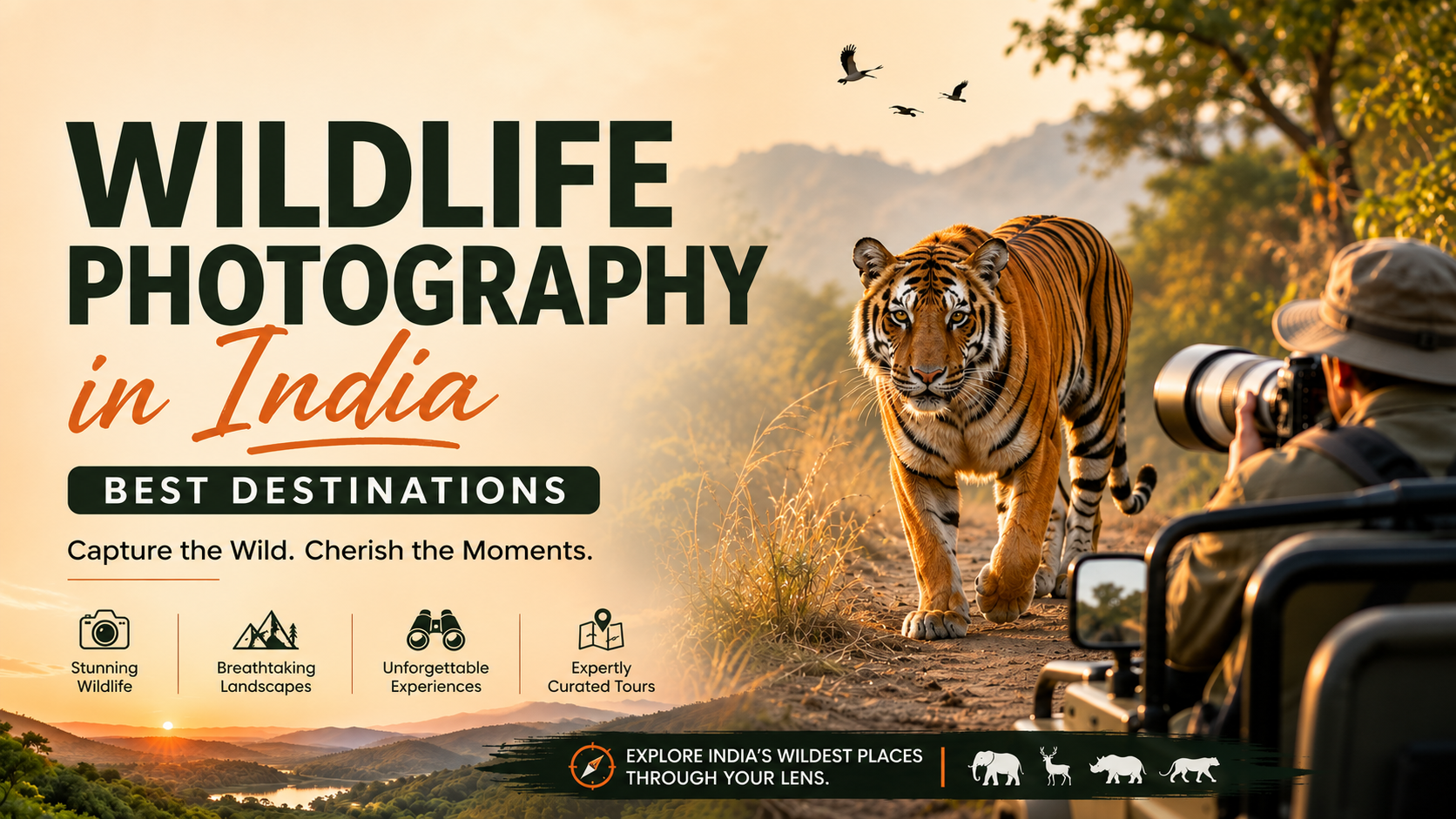
Jeep Safari: A 6-seater open-top Maruti Gypsy is the most popular choice for a Ranthambore National Park Safari. Because it is smaller, it can navigate narrow trails and rough terrain with ease. Moreover, it offers a more personalized, intimate wildlife viewing experience. It is highly recommended for serious photographers.
Canter Safari: A Canter is an open-top, 20-seater bus. It is an excellent and budget-friendly option for large families or groups. While it is louder and cannot go on very narrow paths, the elevated seating position provides a fantastic vantage point for spotting wildlife deep in the grass.
Essential Tips for a Memorable Ranthambore National Park Safari
To maximize your chances of a great sighting and ensure a smooth experience, follow these expert tips for your Ranthambore National Park Safari:
- Book Well in Advance: Safari permits are released 365 days in advance and sell out rapidly, especially for the core zones (1-5). Therefore, it is critical to book your Ranthambore National Park Safari months ahead of your trip.
- Dress Appropriately: Always wear earthy colors like khaki, olive green, or brown to blend in with the forest. Avoid bright colors like red, white, or neon, as they can startle the animals.
- Pack Layers for Winter: If you are doing a Ranthambore National Park Safari between December and February, the early mornings are freezing. Bring thick jackets, gloves, and beanies.
- Stay Silent and Patient: A Ranthambore National Park Safari requires immense patience. Listen to the jungle; warning calls from monkeys and deer are the best indicators of an approaching predator. Remain completely silent when near wildlife.
- Respect the Wildlife: Remember that you are a guest in their home. Never throw food, never shout, and never ask your driver to get too close to the animals.
How to Reach Ranthambore
Planning the logistics for your Ranthambore National Park Safari is straightforward due to excellent connectivity.
By Train: The nearest railway station is Sawai Madhopur, located just 11 kilometers from the park gate. It is well-connected to major Indian cities like Delhi, Mumbai, and Jaipur.
By Air: The closest airport is Jaipur International Airport (Sanganer), approximately 160 kilometers away. From Jaipur, you can easily hire a taxi for a scenic 3-hour drive to begin your Ranthambore National Park Safari.
By Road: Ranthambore is highly accessible by road. A road trip from Delhi takes about 7 to 8 hours, while the drive from Agra takes roughly 6 hours.
Conclusion: Why a Ranthambore National Park Safari is Unmissable
In conclusion, a Ranthambore National Park Safari is much more than just a wildlife tour; it is a profound journey into the heart of wild India. The unique juxtaposition of historical ruins and raw, untamed nature creates an ambiance that cannot be replicated anywhere else in the world. Whether you are gazing upon a regal tiger stalking through the tall grass, or simply admiring a peacock dancing near a shimmering lake, the memories you make here will last a lifetime.
Ready to Book Your Wildlife Adventure?
Contact our safari experts today to customize your itinerary and book your unforgettable experience!
📞 Call/WhatsApp: +91 74057 45909
✉️ Email: sales@pugmarksafari.com
🌐 Explore Packages: pugmarksafari.com
So, do not wait any longer. Start planning your Ranthambore National Park Safari today, pack your binoculars, and get ready for the adventure of a lifetime. The roaring majesty of Rajasthan’s wild heart awaits you!